

Phone
01204 89 6440General Enquiries
hello@statuo.co.ukClient Enquiries
accounts@statuo.co.ukHello I’m Adam // General Manager
Drive quality traffic to your site
Talk to me todayHello I’m Faye // Marketing Director
Drive quality traffic to your site
Talk to me todayHave you ever added something to an online basket, left the website and later received an email reminding you it was still there? Perhaps you’ve bought from a business before and received a message about a related product or service. These are common examples of remarketing.
Katie White
Nov 17, 2026
Remarketing is the wider strategy of reconnecting with people who have already interacted with a business, using previous customer or visitor data to encourage another enquiry, purchase or interaction.
It can include email, paid advertising, direct mail and other forms of follow-up. When paid adverts are shown to previous visitors or customers, this is more precisely known as retargeting.
In this guide, we’ll explain how remarketing works, how it differs from retargeting and how to decide whether it could be useful for your business.
Remarketing uses information gathered through a business’s previous interactions with its customers and prospects. This is known as first-party data because the business has collected it directly through its own website, sales process or customer relationships.
For example, somebody may have joined a mailing list, downloaded a guide, started an enquiry, abandoned a basket or bought from the business before.
Those interactions can tell you something about what the person may need next, but they don’t all show the same level of interest. Somebody who briefly visits the homepage may require a very different follow-up from a customer whose annual service is due for renewal.
That context is what makes remarketing useful. Instead of sending the same message to everybody, the business can consider what somebody has already done and give them a relevant reason to return.
You’ll often hear remarketing and retargeting used to mean the same thing. They are closely related, but there is a difference.
Remarketing is the wider strategy of reconnecting with people who already know your business. It could include an abandoned-basket email, a renewal reminder, a piece of direct mail or a paid advert.
Retargeting is more specific. It usually means showing paid adverts to people who have visited your website, used your app or interacted with your content.
Google makes the terminology slightly confusing because it has traditionally called its paid-advertising feature remarketing. Google Ads now generally refers to these audiences as your data segments, although “dynamic remarketing” still appears in its guidance.
For clarity, we’ll use remarketing for the wider strategy and retargeting when we’re specifically talking about paid adverts.
The process begins with an interaction. Somebody might buy a product, request a quote, join a mailing list or visit a particular part of the website.
The business records that interaction through a suitable system, such as its website, CRM, booking software or email platform. It can then group people according to what they have done and decide whether there is an appropriate reason to contact them again.
A useful follow-up should relate to the original interaction. Somebody who abandoned a purchase might need a reminder or an answer to a common question. An existing customer may be interested in a renewal or a related service. A person who downloaded a guide may benefit from more detailed advice.
The campaign can then be measured to see whether people returned, enquired, purchased or completed another useful action.
What the business can record and how it can contact somebody will depend on the information involved, the chosen channel and the permissions that have been given.

Paid retargeting follows the same broad idea, but the follow-up happens through an advertising platform.
Where the necessary consent is in place, a website tag or another approved data source can add eligible users to an audience segment. The business can then create adverts based on actions such as viewing a product, visiting a service page or beginning an enquiry.
These adverts may appear while the person is searching, watching a video, using social media or browsing other websites and apps supported by the platform.
The advertiser sees the size and overall performance of the audience. They aren’t given a list naming every visitor or showing exactly which individual saw each advert.
Remarketing can take several forms. The right one depends on what somebody has already done, what information the business holds and how they would reasonably expect to be contacted.
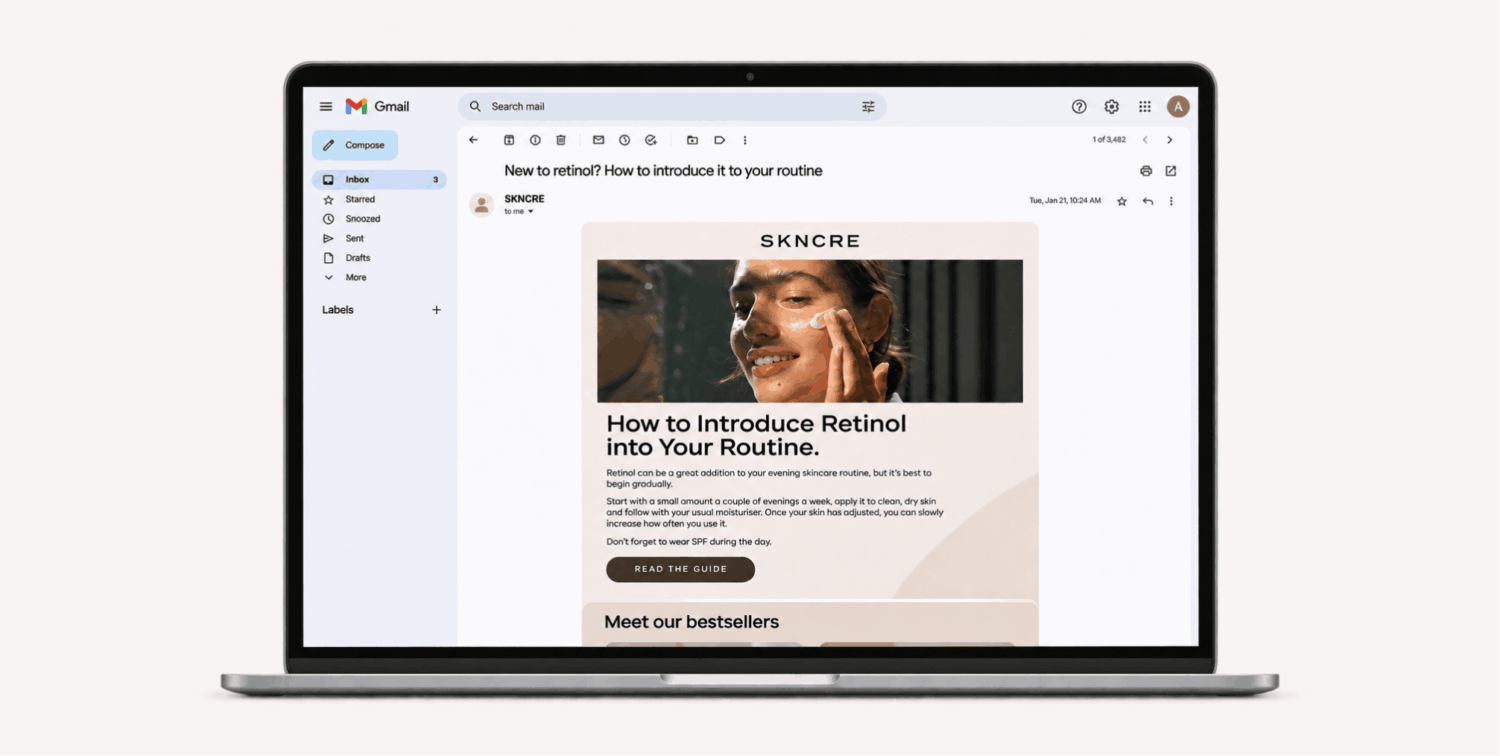
This is probably the most familiar type. It includes abandoned-basket emails, renewal reminders and follow-ups after somebody downloads a guide or begins an enquiry.
Email can also be used to reconnect with previous customers who haven’t purchased for a while or to introduce an existing customer to a related service.
Some businesses may reconnect through direct mail, text messages or a personal follow-up from their sales or customer service team.
This could include sending a renewal reminder through the post or contacting somebody who asked for more information but wasn’t ready to proceed. The method and timing should always make sense based on the person’s previous interaction.
Paid retargeting shows adverts to eligible people who have already visited a website, used an app, watched a video or shared their details with the business.
The advert might feature a product they viewed, answer a common question about a service or provide another useful reason to return.
These approaches can also work together. Somebody might receive an email after abandoning a purchase and later see a relevant advert online. What matters is choosing the channels that suit the customer journey, rather than trying to reach everybody everywhere.
Paid retargeting can be based on where somebody interacted with the business and what they did there.
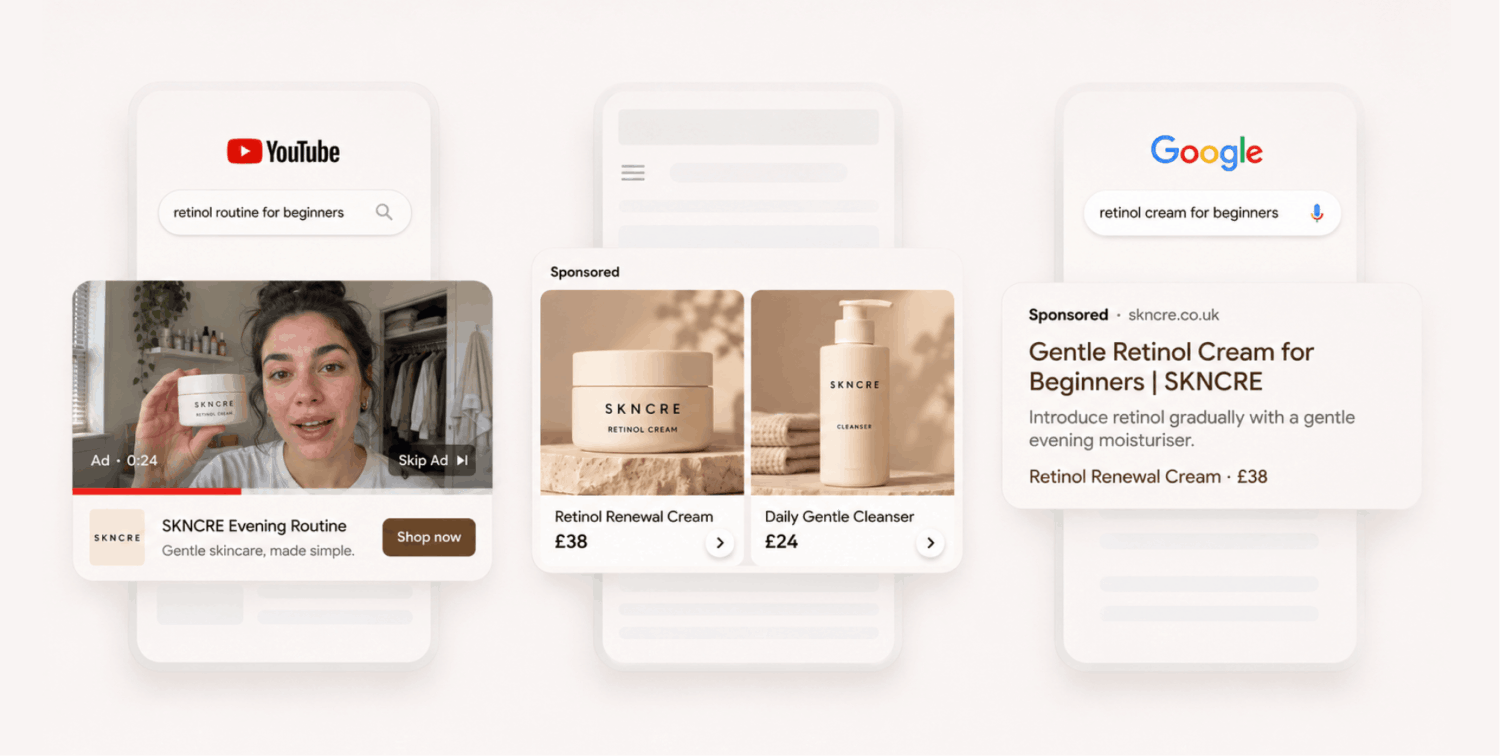
Google, Meta and other platforms may describe some of these as forms of remarketing. Under the distinction used in this guide, they are types of retargeting because the follow-up happens through paid adverts.
Not every customer is ready to enquire or purchase during their first interaction. They may be comparing suppliers, discussing the decision internally or waiting until the timing is right.
Remarketing gives the business another opportunity to be helpful once that person has had time to consider their options.
The message can reflect what somebody has already viewed, requested or purchased.
A visitor who left a basket before checkout doesn’t need the same follow-up as somebody who bought six months ago. Treating them differently makes the communication more useful and gives the business a clearer idea of what it wants each person to do next.
People abandon baskets, forms and bookings for all sorts of reasons. They may have been interrupted, needed more information or simply planned to return later.
A timely reminder can help them continue, particularly if it addresses a question or concern that may have stopped them acting.
Remarketing isn’t only for new customers. It can also promote suitable renewals, replacement products and related services to people who have bought before.
Familiarity doesn’t guarantee another purchase, though. The message still needs to offer something relevant.
Remarketing works best when there is a clear reason to reconnect.
“They visited our website” isn’t always enough. Consider what they showed an interest in, what may have stopped them acting and what would genuinely help them take the next step.
Start with the customer journey, not the advertising platform.
If every website visitor is placed into one audience and shown the same advert, the message is unlikely to feel particularly relevant. Somebody who read one article, somebody who requested a quote and an existing customer have very different relationships with the business.
Before planning the campaign, answer:
Audience: Which group of people are we trying to reconnect with?
Previous action: What have they already done?
Next step: What would we like them to do?
Message: What would help them take that step?
Channel: How can we appropriately reach them?
Timing: When should the follow-up begin and end?
Measurement: What result will show that it worked?
The message doesn’t always need to contain a discount. If somebody is still researching a larger purchase, a useful guide, case study, product comparison or answer to a common concern may give them a better reason to return.
Timing matters too. A reminder sent shortly after an abandoned basket may be useful, while an advert that continues following somebody for several months can quickly become irritating. People who have already completed the intended action should also be removed from campaigns where appropriate.
Holding first-party data doesn’t automatically give a business permission to use it for every form of marketing.
Email, paid advertising, telephone contact and direct mail can be subject to different requirements. People should be told how their information will be used and given a clear way to withdraw consent or opt out where applicable.
In the UK, the ICO says that storage and access technologies used for online advertising, including associated tracking and profiling, require consent. Its electronic-marketing guidance also explains when consent is required for email and when the limited existing-customer exemption may apply.
Before beginning, confirm what information will be used, where it came from and whether the chosen activity is permitted. The campaign must also follow the rules of the advertising or email platform being used.
The ICO provides further guidance on electronic mail marketing and tracking technologies used in online advertising.
The exact controls within Google Ads change over time, so it is more useful to understand the main decisions than memorise a series of menu options.
Broadly, the process involves:
Google can create data segments using website activity, app activity, video engagement and eligible customer information. Its guidance on setting up your data segments explains the available audience sources and technical requirements.
Although Google can create an audience containing all website visitors, that doesn’t mean it will be the most useful option. Audiences based on more meaningful actions give you a better opportunity to create relevant adverts, provided they are large enough to meet the platform’s eligibility requirements.
The biggest mistake is treating every previous visitor or customer as though they have the same interests and intentions.
Generic adverts, excessive repetition and messages that continue long after somebody has purchased can make a business feel careless rather than helpful. The landing page also needs to match the advert. There is little value in reminding somebody about a particular service and then sending them to the homepage to find it again.
Measurement should focus on useful business results rather than clicks alone. A campaign can attract plenty of return visits without producing meaningful enquiries or sales.
Finally, remarketing cannot repair an unclear offer or poor website experience. If people struggled to understand the service or complete an enquiry the first time, bringing them back may simply expose them to the same problem again.
Remarketing tends to be most useful when customers need time to make a decision, people regularly leave baskets or forms unfinished, or the business benefits from renewals and repeat purchases.
It also needs a suitable audience. A website with very little relevant traffic may struggle to build an eligible paid-retargeting segment, while a business without properly collected customer data may need to improve its setup before planning email activity.
The underlying journey must be ready too. There should be a clear next step to promote and a useful reason for the person to return.
If you cannot explain who you want to reconnect with, why they might return and what you want them to do next, the campaign probably isn’t ready.
Paid retargeting works best when the audience, message and timing are built around a genuine customer action.
Statuo can help you decide where retargeting fits within your wider paid strategy, set up the right audiences and tracking, and manage campaigns across the platforms your customers actually use.
Explore Our Paid Media Services
Yes. Email, direct mail and customer reactivation can all be used to reconnect with previous customers or prospects.
The appropriate channel will depend on the information the business holds, how it was collected and the relevant marketing requirements.
Dynamic remarketing is Google’s term for paid adverts featuring products or services connected to what somebody previously viewed.
For example, an eligible visitor who looked at a particular product could later see that product featured within an advert.
No. It depends on the channel and information being used.
Email and customer reactivation may use details already held by the business. Paid retargeting may use website tags, app activity, platform identifiers or eligible customer lists. Each method still has its own privacy and consent requirements.
There is no universal price. The cost depends on the channel, audience size, advertising platform, creative work and level of management required.
Email activity may involve content and email-platform costs, while paid retargeting requires an advertising budget as well as setup, creative work and ongoing optimisation.

